
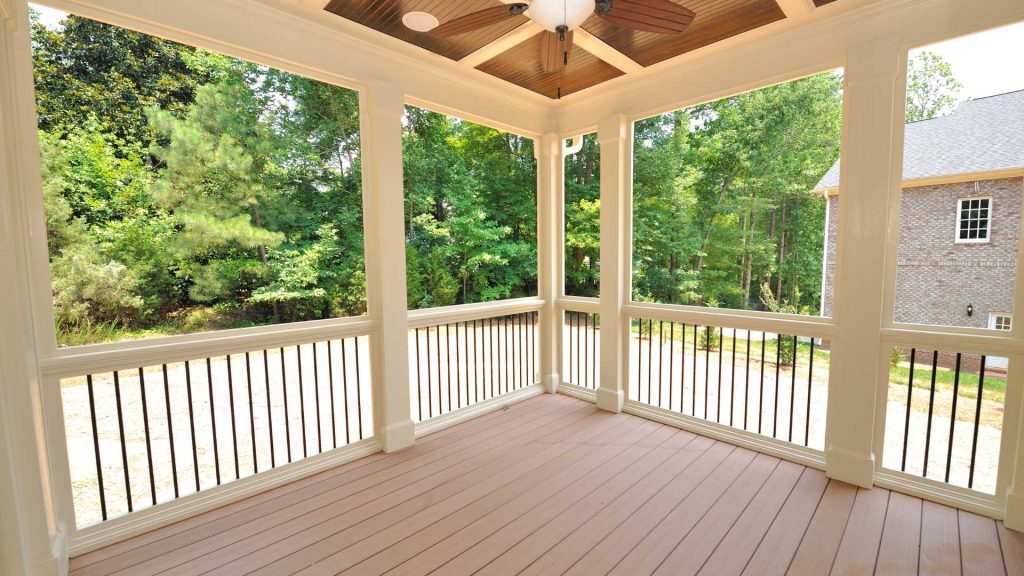
If you’ve settled on a wood deck, the species is your next real decision, and it comes down to three honest trade-offs: pressure-treated pine is the affordable workhorse, cedar is the mid-range beauty that ages gracefully, and hardwood is the premium long-term fixture. All three build a good deck in Austin. Which is right depends on your budget, your patience for maintenance, and how much the look matters up close.
Here’s how they actually compare on the things that decide it.
Pressure-treated pine: the affordable workhorse
Pressure-treated pine is the most common decking wood in the country for a reason: it’s the most affordable, it’s chemically protected against rot and insects, and built well it serves for years. Its honest limits are that it moves more than pricier woods as it seasons, it can crack and check as it dries, and it needs its finish schedule kept or it grays fast.
Against the other two, pine’s pitch is simple: it costs the least and does the job, and the money you save can go into a bigger deck or better features. Choose it when budget leads and you’ll keep the finish up.
Cedar: the graceful middle
Cedar costs more than pine and earns it in two ways: it resists rot and insects naturally, without chemical treatment, and it simply looks and feels better, with a warmth that shows up close. It’s more dimensionally stable than pine, so it stays flatter, and it takes stain beautifully.
Against pine, cedar buys looks and natural decay resistance; against hardwood, it buys most of the beauty for less money and less labor. Its softness is the catch: it marks more easily than either. Choose it when character matters and the budget can stretch past pine.
Hardwood: the premium fixture
Hardwoods like ipe are the top of the wood market. They’re extremely dense, which makes them exceptionally resistant to rot, insects, and wear, and they can outlast every other wood here by a wide margin. Left to weather they silver gracefully; kept oiled they stay rich.
Against both softwoods, hardwood buys years and toughness at a real premium in both dollars and labor. Choose it when you want the deck to outlive the mortgage and cost isn’t the deciding constraint.
How they compare on what matters
On cost, pine is lowest, cedar sits in the middle, and hardwood is highest, with real gaps between each step. On maintenance, all three want a finish schedule, but hardwood asks least once established and pine asks most. On looks, cedar and hardwood win up close and pine does its job. On lifespan, hardwood leads, then cedar, then pine, with one caveat that overrides all of it: a maintained pine deck outlasts a neglected cedar or hardwood one. The finish schedule matters more than the species.
Full details on how we build each live on the wood decks page; this is the comparison that comes first.
What the Texas climate does to the choice
The sun tightens the argument. Every wood here lives under hard UV and the sun-then-rain cycle, so the maintenance column matters more than it would in a milder place. That nudges some owners toward hardwood’s lower upkeep or, honestly, toward composite if the answer to maintenance is a firm no. It also means color choice and finish quality aren’t cosmetic details here; they’re part of how long any of these woods lasts. Whatever species you pick, budget for the finish or budget for earlier repairs.
So which should you choose?
If budget leads, pressure-treated pine built well is the honest answer, and a good one. If you want real wood character and will keep up the finish, cedar is the sweet spot most homeowners land on. If you want a deck that outlives the mortgage and cost isn’t the constraint, hardwood earns its price. There’s no wrong answer among the three; there’s the one that fits your budget, your maintenance appetite, and how you’ll use the deck, and we’ll help you find it honestly.
Frequently asked questions
Which wood is cheapest to build with?
Pressure-treated pine, clearly, and it’s the reason it’s the industry standard. The savings are real, and a well-built PT deck is a genuinely good deck, not a consolation prize.
Is cedar worth the jump from pressure-treated?
If you’ll see and touch the deck daily and you’ll keep the finish up, usually yes. If it’s a large utility deck where budget stretches the size, PT built well is the smarter spend. It depends on the deck’s role.
Does hardwood really last that much longer?
Properly installed and cared for, yes, hardwood outlasts the others by a wide margin on density alone. The question is whether the extra cost fits a deck you plan to keep for decades.
Can I mix woods to save money?
Yes, and it’s often smart: many decks use a pressure-treated frame under cedar or hardwood decking, putting the money where you see and touch it and the workhorse where you don’t.
Ready to choose your wood?
Schedule a deck estimate or call 737-363-4018. Tell us your budget and how you feel about staining day, and we’ll point you to the right species.