
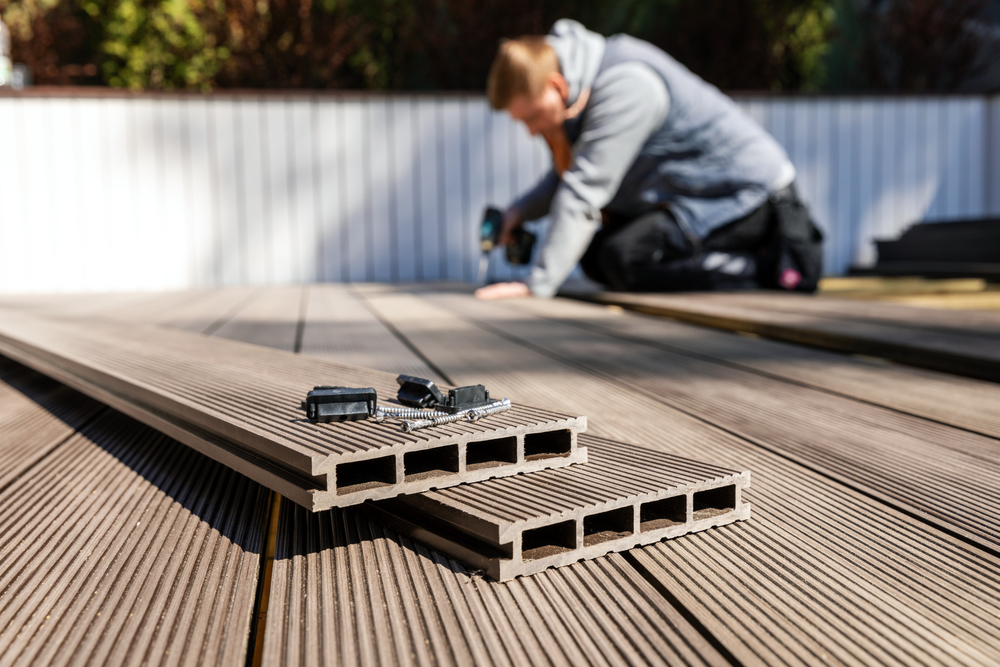
A deck lasts far longer on a simple seasonal routine than on occasional attention when something looks wrong. The Central Texas year sorts naturally into four jobs: a spring clean and inspection, summer sun protection, a fall refresh, and light winter monitoring. None of it is hard, most of it is looking rather than laboring, and together it can add years to a deck’s life. Here’s the calendar, season by season.
Spring: clean and check
Spring is the most important maintenance moment of the year, because it sets up everything that follows. After winter, clean the whole deck: clear debris from the gaps between boards, sweep off what’s collected in corners, and wash the surface with an appropriate cleaner, gently, since too much pressure damages the wood. A clean deck is also an inspectable deck.
While it’s clean, walk it and look: check railings for movement, press suspect boards and post bases for softness, look for popped fasteners, and check the spot where the deck meets the house. Spring is when you catch the small problems before a summer of use makes them bigger, and a deck that’s more than a decade old deserves a professional look at this point regardless of how it feels.
Summer: protect against the sun
Summer is when the Central Texas sun does its hardest damage, so summer maintenance is about protection and light upkeep rather than big jobs. If your spring water test showed the finish failing, get the deck refinished before the worst of the heat, or as soon as you can after, because unprotected wood bakes and dries fast in July and August.
Otherwise, summer is mostly about keeping the deck clear and cool: sweep regularly so debris doesn’t trap moisture, move planters occasionally so they don’t leave permanent damp spots, and rinse the surface when it’s dusty. Small habits through the hot months keep the finish working when it’s under the most stress.
Fall: refresh and prepare
Fall is the ideal time for the year’s bigger maintenance, because the brutal heat has passed and the wood is stable. This is the best window to stain or seal if the deck is due, cooler, drier conditions help the finish cure properly, better than trying to do it in peak summer heat. It’s also the time to handle any repairs the spring inspection flagged and you’ve been putting off, so the deck goes into winter sound.
Clear fall leaves and debris promptly, especially from the gaps and corners where they pack down and hold moisture. A deck that goes into winter clean, sealed, and repaired is a deck that comes through it well.
Winter: monitor and plan
Central Texas winters are mild, so winter maintenance is light: mostly keeping the deck clear and watching for problems rather than doing active work. Clear debris after storms, and don’t let wet leaves sit and rot against the boards. If we get an ice event, let it melt rather than chipping at it, which damages the surface.
Winter is also planning season. If the deck needs significant work, refinishing, repairs, or you’re weighing whether it’s reaching the end, winter is a good time to get an assessment and book work for spring, before the busy season fills up. A little planning now means the deck is ready when you want to use it again.
The simple version, if you do nothing else
If a full seasonal routine is more than you’ll keep up, three habits capture most of the benefit: keep the deck clear of debris year-round so moisture can’t sit and rot the wood, do the water test each spring and refinish when it fails, and address small problems, a loose railing, a soft board, promptly instead of letting them grow. Those three alone put a deck ahead of most, and they’re the core the rest of the calendar builds on.
Why the routine matters more here
Central Texas is hard on decks, intense sun, sudden heavy rain, and the daily expansion and contraction that works fasteners loose, so a deck here benefits from routine care more than one in a milder climate would. The maintenance isn’t busywork; it’s the difference between a deck that reaches the long end of its lifespan and one that fails early. And almost all of it is cheap or free, especially compared to the repairs that neglect eventually requires. A little attention on a schedule is the best deal in deck ownership.
Frequently asked questions
What’s the single most important maintenance task?
Keeping the deck clear of debris and standing water, because trapped moisture causes more deck damage than anything else in this climate. It’s also the easiest task, which makes it the best return on effort you can get.
When should I stain, and how do I know it’s time?
Fall is the ideal season for staining in Central Texas, cooler and drier for curing. Timing within the multi-year cycle is set by the water test: when water soaks in rather than beading, the finish is due, whatever the calendar says.
Do composite decks need this whole routine?
Less of it. Composite skips staining and sealing entirely; it just needs cleaning and the occasional check of railings and hardware. The structural inspection parts still apply, since the frame underneath is often wood.
How often should the deck be professionally inspected?
For an older deck, roughly every couple of years, plus any time something changes, new movement, a soft spot. Spring is the natural time, and decks over ten years old that have never been inspected are the ones to prioritize.
Want help keeping your deck in shape?
Schedule a deck estimate or call 737-363-4018. We’ll assess where your deck stands and set you up with a routine that fits it.